Click or tap here to see the rest of this insight.
Like a number of other East Asian languages, Japanese uses a complex system of honorifics, i.e. a system where a number of different levels of politeness are expressed in language via words, word forms or grammatical constructs. These can range from addressing someone or referring to someone with contempt (very informal) to expressing the highest level of reference (as used in addressing or referring to God) or any number of levels in-between.
One way Japanese shows different degree of politeness is through the choice of a first person singular and plural pronoun (“I” and “we” and its various forms) as shown here in the widely-used Japanese Shinkaiyaku (新改訳) Bible of 2017. The most commonly used watashi/watakushi (私) is typically used when the speaker is humble and asking for help. In these verses, where God / Jesus is referring to himself, watashi is also used but instead of the kanji writing system (私) the syllabary hiragana (わたし) is used to distinguish God from others.
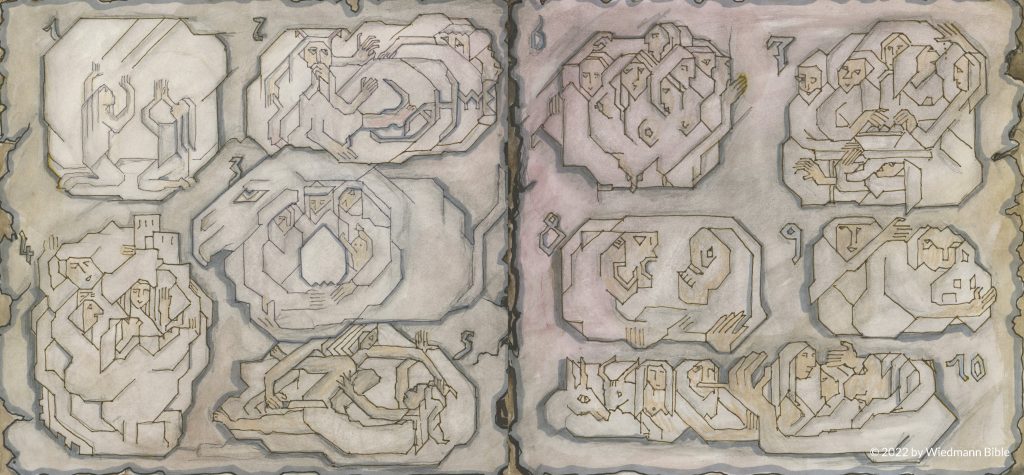
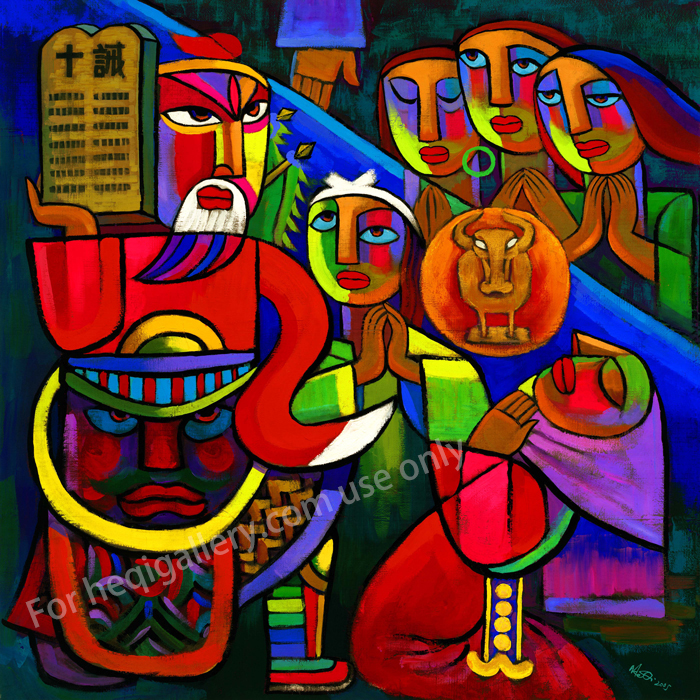
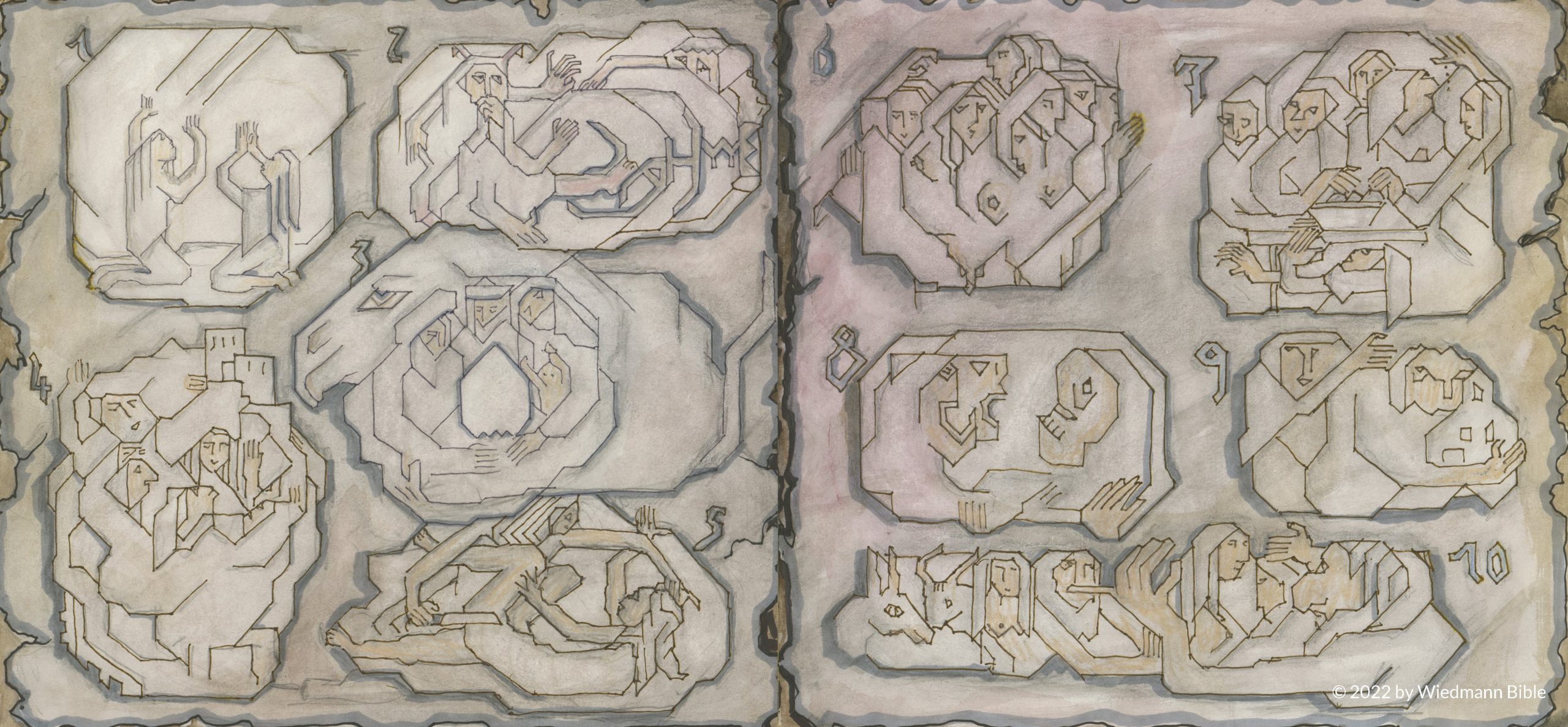
You shall have no other gods before [or, besides] me: this may be expressed “You shall [or, must] not worship any other god except me,” or “Do not worship any god but me.” New Jerusalem Bible translates “You will have no gods other than me.” It is better to use the verb “worship” or “obey,” rather than “have.”
This commandment does not deny the existence of other gods; it demands of the Israelites that they acknowledge only Yahweh as their god. Psa 81.9-10 has a good statement of this first commandment. The you is singular as mentioned in the introduction to this chapter. But many translators will wish to use a plural pronoun here and throughout the rest of the chapter.
See the comment on gods at 3.24.
Quoted with permission from Bratcher, Robert G. and Hatton, Howard A. A Handbook on Deuteronomy. (UBS Helps for Translators). New York: UBS, 2000. For this and other handbooks for translators see here .

Leave a Reply
You must be logged in to post a comment.